IKEA Montessori Hacks: 15 Budget-Friendly Ideas for Every Room
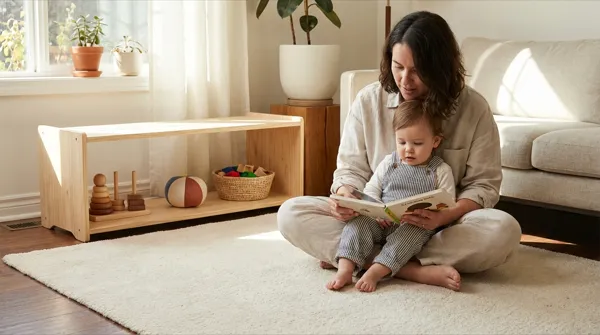
You’ve seen the beautiful Montessori setups on Instagram. The â¬300 learning towers. The handcrafted wooden shelves. The bespoke toddler wardrobes that cost more than your own.
And you’ve thought: That’s lovely. I can’t afford any of it.
Here’s the thing â Maria Montessori never specified a furniture brand. She specified a principle: the environment should be adapted to the child, not the other way around. Low shelves so small hands can reach. Child-sized furniture so they can sit independently. Accessible spaces so they can participate in real life.
IKEA happens to make this incredibly affordable. Some of their most basic pieces â a â¬10 shelf, a â¬7 mirror, a â¬15 step stool â are already Montessori-ready. Others need a simple tweak.
This guide covers 15 practical IKEA hacks, room by room, with exact product names, approximate prices, and honest notes on what works (and what doesn’t). No Pinterest-perfect staging. Just real setups that real families use.
ðï¸ The Bedroom: Where Independence Starts
1. The KURA Bed as a Floor Bed
The Montessori floor bed is one of the most recognizable elements of a Montessori home â and one of the most misunderstood. It’s not about aesthetics. It’s about giving your child the freedom to get in and out of bed independently.
The IKEA KURA reversible bed (around â¬180) is the go-to hack. Flip it upside down, remove the top bunk structure, and you have a sturdy low bed frame that sits just above the floor. The mattress ends up about 15cm off the ground â low enough for a toddler to climb in and out safely.
Why it works: The KURA frame keeps the mattress ventilated (no mould risk from floor contact), provides a defined sleeping area, and looks intentional rather than like you just threw a mattress on the floor.
Age range: From around 15-18 months when they start climbing out of the crib, up to 6+ years.
Honest note: If your child is under 15 months, you don’t even need the KURA. A crib mattress directly on the floor works perfectly. Save the money until they’re ready for a bigger bed.
For a cosy floor bed setup, a simple fitted sheet and a lightweight blanket are all you need. A toddler pillow can be introduced around age 2 if your child seems comfortable with one.
2. The KALLAX as a Toddler Wardrobe
The KALLAX shelf unit (1x4 configuration, around â¬45) turned on its side creates the perfect child-height wardrobe. Your toddler can see their clothes, choose what to wear, and put things back.
The setup:
- Bottom cubes: shoes and a small basket for socks
- Middle cubes: folded tops and bottoms (use small fabric bins to separate categories)
- Top cube: a few outfits hung on a short tension rod placed inside the cube
Why it works: When children can see and reach their clothes, getting dressed becomes their activity, not yours. A 2-year-old who picks between two shirts feels autonomous. A 4-year-old who dresses themselves entirely frees up 10 minutes of your morning.
Key tip: Only put out 3-4 options per category. Too many choices overwhelm. Rotate seasonally.
3. The HOVET or LUNDAMO Mirror at Child Height
Mount a mirror low on the bedroom wall so your child can see themselves. This isn’t vanity â it’s self-recognition and body awareness, both important developmental milestones.
The IKEA HOVET (around â¬50) works well mounted horizontally at floor level. For a safer option with younger toddlers, an acrylic safety mirror is shatterproof and lightweight.
From birth: Place the mirror next to the floor bed or play mat. Tummy time becomes more engaging when babies can watch themselves.
From 12 months: Add a small pull-up bar next to the mirror. Watching themselves stand up is incredibly motivating for new walkers.
𧸠The Playroom: Less Is More
4. The KALLAX as a Montessori Activity Shelf
This is probably the single most popular IKEA Montessori hack â and for good reason.
A KALLAX 2x4 (around â¬60) at floor level becomes the centrepiece of a Montessori play space. Each cube holds one activity or toy, displayed neatly with the front facing outward. No toy box chaos. No digging through piles. Each item has a clear home.
The rules:
- One activity per cube (maximum)
- Leave some cubes empty â white space reduces overwhelm
- Rotate activities every 1-2 weeks
- Display items on small wooden trays or in simple baskets
Why it works: When children can see exactly what’s available and each item has a defined place, they naturally develop habits of choosing, focusing on one thing, and putting it back. This isn’t magic â it’s environmental design. The shelf does the heavy lifting.
If you want to go deeper on shelf rotation and setup, we have a complete Montessori shelf guide that covers the philosophy behind it.
5. The TROFAST for Art Supplies and Sensory Materials
The TROFAST storage system (frame + bins, around â¬40-70 depending on size) is unbeatable for art supplies, sensory materials, and craft items.
The hack: Mount the TROFAST frame low on the wall or simply place it on the floor. Use the shallow bins for:
- Crayons and pencils (one bin per type)
- Collage materials (paper scraps, stickers, feathers)
- Playdough and tools
- Sensory materials (dry rice, pasta, beans)
Why TROFAST over a toy box: Your child can see what’s inside each bin, pull out what they need, and (critically) put it back in the right place. A giant toy box teaches “dump everything in” â TROFAST teaches categorisation and order.
Pair with: A child-sized table and chairs at the right height for art work. IKEA’s own LÃTT table set (around â¬25) works fine for toddlers, though it’s not the sturdiest option long-term.
6. The FLISAT Table for Sensory Play
The FLISAT children’s table (around â¬30) has a clever feature: a recessed space in the centre designed for TROFAST bins. Drop in a bin, fill it with sand, water beads, dry pasta, or kinetic sand, and you have an instant sensory station.
Why parents love it: Contained mess. The bin sits inside the table, so spills stay manageable. When playtime is over, pop a lid on the bin and slide it out.
Extend it: Use the FLISAT with loose parts â wooden rings, shells, pebbles, buttons â for open-ended play that develops creativity and fine motor skills. This connects beautifully with Montessori’s emphasis on natural materials and child-led exploration.
For more sensory play ideas, check out our guide to Montessori sensory activities using things you already have at home.
ð³ The Kitchen: Real Participation, Not Pretend
The kitchen is where Montessori’s “practical life” philosophy really shines. Children don’t want to play with toy kitchens â they want to help in your kitchen. (We wrote a full guide to Montessori kitchen activities if you want to go deep on this.)
7. The BEKVÃM Step Stool as a Kitchen Helper
The BEKVÃM step stool (around â¬10-15) is legendarily useful. It brings your toddler up to counter height so they can wash vegetables, stir batter, watch you cook, and feel like a genuine participant in family life.
The safety upgrade: On its own, the BEKVÃM is just a step stool â no rails, no protection. For younger toddlers (under 2.5), add a simple railing by attaching a wooden dowel or small wooden rail to the top. There are dozens of tutorials online for this specific hack.
Or skip the DIY: If you don’t want to modify the stool, a purpose-built toddler learning tower with safety rails runs â¬60-100 on Amazon and gives you peace of mind from day one.
Honest take: The BEKVÃM is unbeatable on price. But if your child is adventurous and you’re nervous, investing in a proper learning tower is money well spent. Safety shouldn’t be a hack.
8. A Low Snack Station with the RÃ SKOG Cart
The Rà SKOG trolley cart (around â¬30) makes a perfect self-serve snack station. Place it in the kitchen with:
- Top tier: A water pitcher and cup (child-sized)
- Middle tier: Healthy snacks in small containers (crackers, fruit, dried fruit)
- Bottom tier: Plates, napkins, a small dustpan and brush for crumbs
Why it matters: A child who can get their own water and snack when they’re hungry learns to recognise and respond to their own body’s signals. That’s a life skill, not just a Montessori activity.
Practical tip: Start with water only (less mess). Add dry snacks once they’ve mastered pouring. Fresh fruit and messier items come last.
9. The DUKTIG Play Kitchen â With a Twist
Yes, IKEA’s DUKTIG play kitchen (around â¬80) is technically a toy. But in a Montessori home, you can use it as a transition tool.
The twist: Stock it with real items, not plastic food. A small ceramic bowl, a wooden spoon, a cloth napkin, a tiny whisk. Let your child practise setting a table, stirring, pouring dried beans between containers, and cleaning up â all at their height, in their space.
Age sweet spot: 18 months to 3 years. After age 3, most children prefer the real kitchen entirely. The DUKTIG becomes a craft station or gets passed on.
ð½ The Bathroom: Building Daily Routines
Bathroom independence is one of those Montessori principles that sounds small but changes daily life dramatically. A child who can wash their own hands, brush their own teeth, and use the toilet without calling for you is practising self-care â one of Montessori’s core “practical life” activities.
10. The BEKVÃM (Again) for the Bathroom Sink
That same BEKVÃM step stool gets a second life in the bathroom. Place it in front of the sink so your child can reach the tap, wash their hands, and brush their teeth independently.
Pair with: A child-friendly soap dispenser placed on the counter within reach. Foaming soap is easier for small hands than liquid.
Add a mirror: Mount a small mirror at child height next to the bathroom mirror. Watching themselves brush their teeth makes the routine more engaging and helps develop the coordination to do it properly.
11. The HEMNES or VESKEN Open Shelf for Toiletries
A small open shelf unit â the VESKEN (around â¬10) works perfectly â placed at child height holds everything your child needs for their bathroom routine:
- Their toothbrush and toothpaste
- A hairbrush
- A small towel
- Clean underwear (if they’re toilet learning)
Why open shelving: Your child can see and reach everything without asking for help. A closed cabinet means they need you. An open shelf means they don’t.
12. Low Hooks for Towels
Mount IKEA hooks (the KROKIG children’s hooks are perfect, around â¬8) at your child’s height for their towel and bathrobe. After washing hands, they can dry them independently. After a bath, they can reach their own towel.
Sounds tiny. Isn’t. Every small act of independence reinforces the message: “You are capable.” That message, repeated hundreds of times through daily routines, shapes how a child sees themselves.
ð The Reading Nook: Making Books Irresistible
13. The FLISAT Wall Book Storage
The FLISAT wall book display (around â¬15) is a shallow shelf that shows book covers face-forward. Mount two or three of these at child height, and you’ve created a bookshop-style display that makes books visually appealing and easy to choose.
Vs. a regular bookshelf: A traditional bookshelf shows spines. A toddler can’t read spines. They choose books by their covers â by the colours, images, and characters they recognise. Face-forward display dramatically increases how often children pick up books.
Rotation tip: Display 5-8 books at a time. Rotate weekly. When “new” books appear (even ones they’ve read before), children treat them with fresh interest.
Pair with: A cosy floor cushion or reading nook tent below the book display. Creating a defined, comfortable reading space signals “this is where we read” â and children gravitate to it.
14. The KALLAX on Its Side as a Reading Bench
Here’s a hack you don’t see as often: lay a KALLAX 1x4 on its side, add a cushion on top, and you have a reading bench with four cubes of book storage underneath.
Fill the cubes with books sorted by theme (animals, vehicles, bedtime stories, nature), and your child has a cosy seat with their entire library within arm’s reach.
Cost: Around â¬45 for the KALLAX + â¬15-20 for a cushion pad. Under â¬65 for a piece that serves double duty as seating and storage.
ð The Entryway: Starting and Ending the Day Right
15. A Self-Serve Coat and Shoe Station
The daily routine of arriving and leaving the house is an opportunity for independence that most families overlook.
The setup:
- KROKIG or KUBBIS hooks mounted at child height for coats, jackets, and bags
- A low TJUSIG shoe rack (around â¬20) or simply a tray on the floor for shoes
- A small bench or the BEKVÃM stool for sitting while putting on shoes
The magic: When your child knows exactly where their shoes live, where to hang their coat, and has a place to sit while they work on those tricky buckles, leaving the house stops being a battle. They do it themselves because the environment makes it obvious.
Bonus: Add a small basket for seasonal accessories â sunhat and sunscreen in summer, gloves and woolly hat in winter. Your child learns to check the weather and grab what they need.
ð° The Real Cost: An Honest Breakdown
Let’s add it up. A whole-home IKEA Montessori setup covering the essentials:
| Item | Approx. Price |
|---|---|
| KURA bed (floor bed) | â¬180 |
| KALLAX 1x4 (wardrobe) | â¬45 |
| KALLAX 2x4 (play shelf) | â¬60 |
| TROFAST frame + bins | â¬50 |
| FLISAT table | â¬30 |
| BEKVÃM stool (x2) | â¬20 |
| Rà SKOG cart | â¬30 |
| FLISAT book display (x2) | â¬30 |
| VESKEN bathroom shelf | â¬10 |
| KROKIG hooks (x2) | â¬16 |
| Total | ~â¬471 |
Call it under â¬500 for a full, multi-room Montessori transformation. For comparison, a single purpose-built Montessori shelf from a specialist brand often costs â¬200-400 on its own.
You don’t need to do it all at once, either. Start with one room. The bedroom or playroom shelf makes the biggest immediate impact. Add pieces as your child grows and as your budget allows.
Budget-first approach: If â¬500 is still too much, the three highest-impact items are:
- KALLAX 2x4 for the playroom (â¬60) â transforms toy chaos into calm
- BEKVÃM step stool for the kitchen (â¬10) â unlocks daily participation
- FLISAT book display (â¬15) â makes reading irresistible
That’s â¬85. Eighty-five euros for the three changes that make the most difference. Everything else is a bonus.
ð§ Essential Safety Notes
Every single one of these hacks comes with one non-negotiable rule: anchor furniture to the wall.
IKEA includes wall-anchoring kits with most furniture, and for good reason. A toddler who climbs a KALLAX that isn’t secured is in serious danger. This isn’t optional.
Checklist before any Montessori setup:
- â Wall-anchor all shelves, dressers, and units above child height
- â Use safety covers on any exposed outlets near child-height furniture
- â Ensure mirrors are securely mounted (or use acrylic alternatives)
- â Test step stool stability â no wobble
- â Remove small parts or choking hazards from accessible shelves for children under 3
- â Check that any tension rods used in wardrobes are securely fitted
Safety first. Always. The Montessori principle of freedom exists within carefully prepared boundaries â and that starts with making sure nothing can fall on your child.
The Bigger Picture
Here’s what no furniture hack can give you: the mindset shift.
Montessori at home isn’t about having the right shelf or the perfect book display. It’s about looking at your home through your child’s eyes and asking: What can they reach? What can they do for themselves? Where am I doing things for them that they could learn to do alone?
IKEA makes the physical changes affordable. But the real transformation happens when you start stepping back â letting your child pour their own water (yes, they’ll spill it), choose their own clothes (yes, the combinations will be wild), and put their own shoes on (yes, it takes four times as long).
That patience is the most Montessori thing you can buy. And it’s free.
Have questions about setting up a Montessori space on a budget? We’d love to hear what’s worked in your home. Drop us a comment or find us on Pinterest for more ideas.
 Get weekly Montessori tips
Honest reviews, activity ideas, and budget-friendly picks — no spam, just what works.
Subscribe Free