Montessori Summer Activities for Toddlers: 21 Easy Outdoor Ideas
· Updated

Summer is one of the easiest seasons to do Montessori at home.
Not because you need to create more activities. Because real life gets better.
Water becomes irresistible. Plants need care. Fruit needs washing. Sand, shells, herbs, towels, buckets, and flowers suddenly become useful materials instead of clutter. Your child wants to carry, pour, scrub, pick, squeeze, and help. Summer gives those urges somewhere to go.
That is why Montessori summer activities work so well for toddlers. They feel playful, but they still build concentration, coordination, independence, and calm. For indoor versions of the same pouring and sponge work, see our Montessori water activities guide.
And honestly, that matters more than a giant Pinterest setup.
You do not need a whole summer activity schedule. You need a few repeatable invitations your child can return to again and again.
What makes a summer activity Montessori?
A Montessori summer activity is not just something messy and outdoorsy.
It usually has a few clear qualities:
- your child does most of the work
- the material gives real feedback
- the setup is simple enough to repeat
- there is a natural beginning, middle, and end
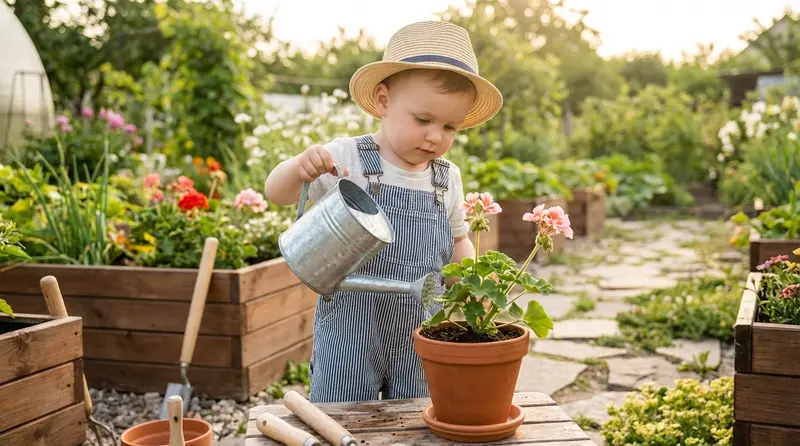
- cleanup is part of the activity, not a separate adult job
That is why watering plants works so well. So does washing a small table, carrying a watering can, slicing strawberries, or squeezing water from a sponge.
The activity does not need to look impressive. In fact, the simpler it is, the more likely your toddler is to understand it.
A good rule is this: give the summer material a job.
Water can be for pouring, washing, watering, or scrubbing. Flowers can be for arranging. Mud can be for scooping and mixing. Fruit can be for washing, peeling, and serving. Many of these movements also build the hand control covered in our fine motor activities for toddlers guide.
That small shift makes the whole day feel calmer.
Takeaway: the best Montessori summer activities are simple, purposeful, and easy enough for your child to repeat without constant adult directing.
Quick chooser: what to set up today
Start with the condition you actually have today, then keep the activity small enough that cleanup is part of the work.
| If today feels like… | Try this first | Keep it calm by… |
|---|---|---|
| Too hot for big movement | Washing fruit, sponge transfer, or flower arranging in the shade | using a half-filled bowl and a towel within reach |
| Your child needs heavy work | Bucket carrying, watering plants, or moving towels to the line | filling containers only one-third full |
| You need a five-minute reset | Shell washing, toy washing, or wiping an outdoor table | offering 3-5 objects instead of a full bin |
| You want real household help | Sandal washing, herb picking, or snack prep | giving one clear job, then stopping while it still works |
| You are on a balcony or small patio | A tray with two pitchers, a plant, and one cloth | choosing one water source and one return spot |
For tiny homes or apartments, pair this with the setup logic in Montessori on a budget for small spaces. For children who are in a strong “let me do it” phase, the same independence principles show up in Montessori dressing skills.
Takeaway: choose the smallest activity that matches the day you actually have.
Why summer is such a good season for toddler independence
Toddlers want to move.
They want to carry, pour, dig, wipe, pick, wash, climb, and help. Indoors, that can feel exhausting. Outside, the same impulses become much easier to say yes to.
A little spilled water on the patio is different from a full kitchen-floor flood. A muddy pot on the balcony is less stressful than mud tracked through the house. Summer lowers the friction around practical life.
That gives your child something precious: more genuine freedom.
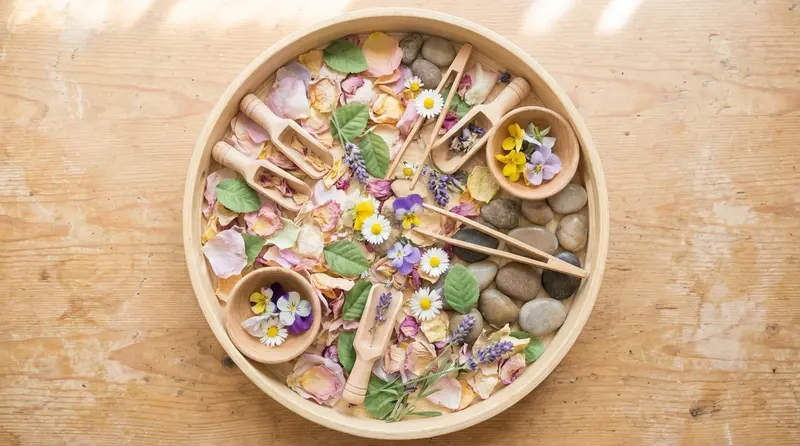
In summer, you can offer:
- bigger body movement
- messier practical life work
- more sensory-rich materials
- easier cleanup
- longer stretches of repetition
This is also why summer pairs beautifully with outdoor Montessori activities, practical life work, and a simple toy rotation rhythm. You do not need to fill the day. You need to make a few good choices visible.
Takeaway: summer gives toddlers more room to practise the exact skills they already want to work on.
Hot-weather setup rules that prevent most meltdowns
Summer activities work best when the adult sets the physical boundaries before the toddler starts.
Use these checks before you put anything out:
| Check | What it means in practice |
|---|---|
| Shade first | Set water, nature, and snack work in shade or indoors near a door during peak heat. |
| Small water | Use enough water to pour or wash, not enough to create a flood. You can always refill. |
| Barefoot check | If the ground is too hot for your bare hand or foot, move the activity. |
| One towel visible | A child-sized towel or cloth should be part of the setup from the beginning. |
| Clear finish | Decide where wet objects, dirty sandals, or washed fruit go when the work is done. |
This is also where summer Montessori should stay flexible. If your child is tired, hungry, overheated, or stuck in a power struggle, the Montessori move is not to push through. Offer water, shade, food, rest, or a simpler job. For snack routines that support independence without turning into a buffet, see the Montessori snack station guide.
Takeaway: practical-life work feels calmer when the safety and cleanup boundaries are visible before the activity begins.
7 Montessori water activities that actually stay calm
Water is probably the biggest summer advantage.
It is naturally attractive to toddlers, but it does not have to turn into chaos. When water has a clear purpose, it becomes one of the best Montessori materials in the house.
1. Pitcher pouring on a tray
Set out two small pitchers, or one pitcher and one glass, on a tray. Start with very little water.
Show the movement once. Then let your child try.
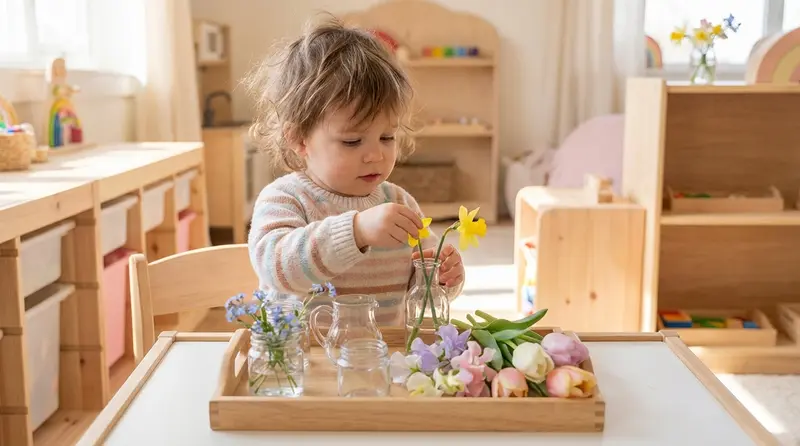
The control of error is built in. They can see right away whether the water landed where they wanted it to.
2. Sponge transfer
Two bowls. One sponge. Water in one bowl.
Your child soaks the sponge, carries it to the empty bowl, and squeezes.
That is it. It is repetitive, satisfying, and surprisingly calming.
3. Toy washing station
Put a few toy animals, shells, or chunky toys in a basin with a brush, sponge, and towel.
Your toddler washes, rinses, and lays each one out to dry.
This works much better than aimless splashing because the water has a job.
4. Outdoor table scrubbing
A small bowl of soapy water, a sponge, and a child-sized cloth can hold a toddler’s attention for a long time.
If you want one genuinely useful support item, a Green Toys watering can is a nice size for toddler hands and gets used far longer than most summer toys.
5. Watering herbs or flowers
This one is hard to beat.
Your child carries water, pours carefully, and sees the result in a living thing. That makes the work feel important.
6. Droppers and colour mixing
A few cups with water, a dropper, and one or two drops of food colouring can become a beautiful fine-motor activity.
Keep it small. Montessori usually works better when there is one clear task, not six at once.
7. Washing fruit before snack
Let your child wash peaches, grapes, or strawberries in a bowl and transfer them to a colander or plate.
Now water play becomes real life.
If your child loves sink work and food prep, a sturdy Guidecraft Kitchen Helper learning tower can be one of the highest-value purchases you make because it turns daily kitchen routines into independent work.
Takeaway: water play stays calm when the water is doing something useful.
7 nature and gardening activities toddlers love
Summer gives you free materials everywhere.
That changes the whole game. You do not need to invent a theme when the garden, park, balcony, or even a few pots by the window are already interesting.
8. Flower arranging
Give your child a few flowers, a little jug of water, and a sturdy vase.
That is enough.
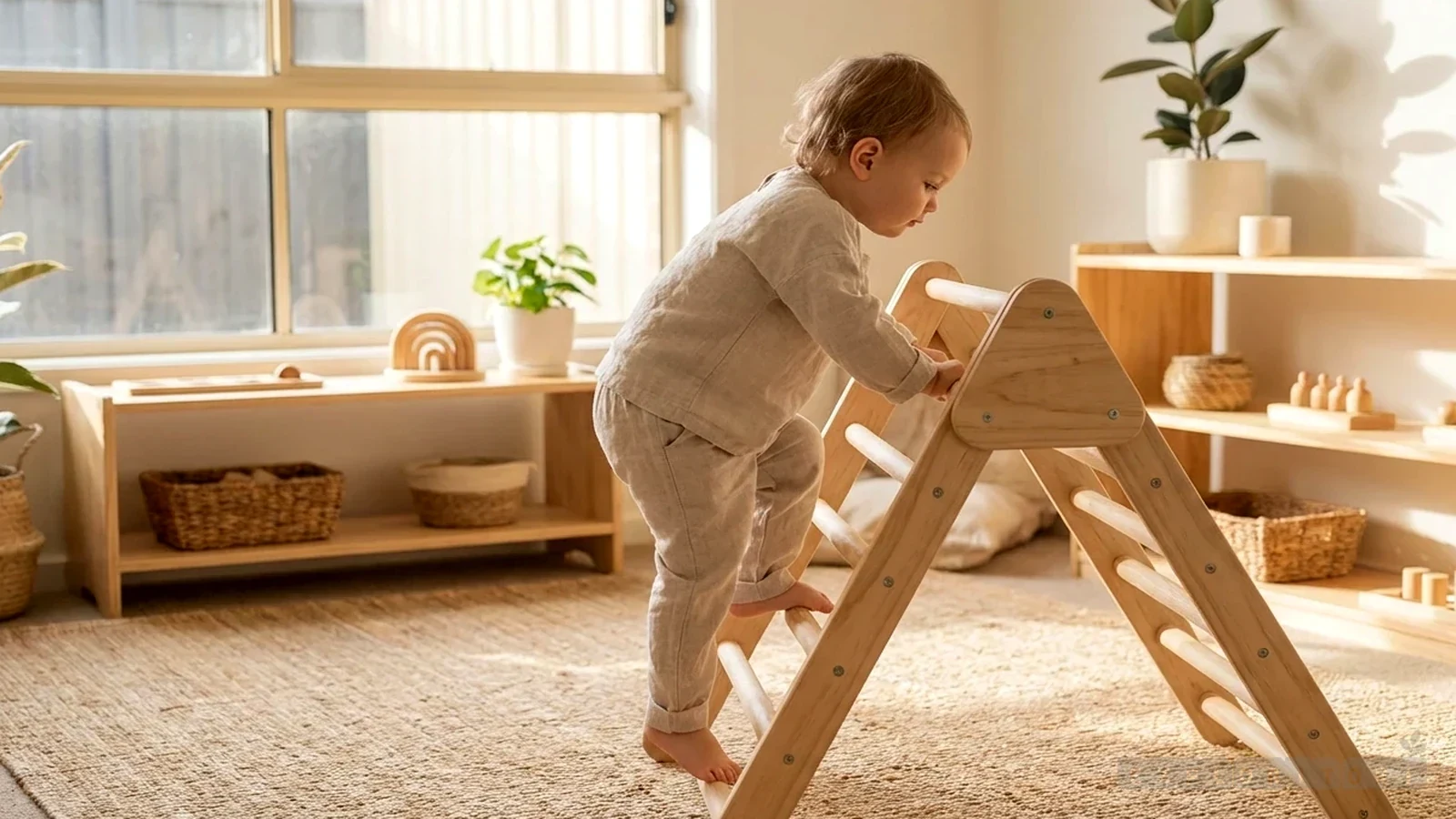
Flower arranging is one of those classic Montessori activities that looks fancier than it really is. Toddlers love the care involved in carrying water and placing stems one by one.
9. Herb watering and leaf picking
Basil, mint, parsley, and chives are wonderful summer plants for toddlers.
They are easy to smell, easy to touch, and forgiving if your child is enthusiastic.
10. Shell, pebble, or leaf washing
Go on a short walk, collect a few natural treasures, then come home and wash them together.
That gives you a full activity cycle: collect, carry, wash, dry, sort.
11. Bug observation
A real magnifying glass is often more useful than another toy. Watch ants, beetles, snails, or worms.
No lecture needed. Toddlers do not need a science class. They need time to notice.
12. Watering balcony plants with a marked fill line
If you mark the water level inside a small can or jug, your child has a better chance of succeeding without flooding the pot.
Tiny details like this make independence more realistic.
13. Picking and rinsing herbs or tomatoes
If you grow anything edible, use it.
Picking food and carrying it into the kitchen feels deeply meaningful to young children.
14. Nature basket refresh
Keep one basket for pinecones, smooth stones, seed pods, feathers, or shells.
Refresh it every week or two. This is especially lovely for toddlers who like sorting, comparing, and revisiting familiar objects.
If you want one outdoor item that tends to earn its keep, a simple basic bird feeder can create an easy daily care routine and quiet observation point. If your child likes nature observation, you can extend the same idea later with Montessori life cycle activities or a butterfly life cycle tray when the season fits.
Takeaway: nature activities get much stronger when your child can collect, carry, care for, and revisit real materials.
4 practical life summer activities you can do almost every day
Some of the best summer activities are not really “activities” at all.
They are just everyday life, slowed down enough for your toddler to join in.
15. Lemon or orange water prep
Let your child help wash fruit, squeeze a wedge, and drop it into a jug of water.
Simple. Seasonal. Useful.
16. Popsicle making
Blend fruit, pour it into molds, freeze, then let your child help unmold and serve.
This feels festive to toddlers, but it is really just food preparation with a summer costume.
17. Washing sandals or outdoor toys
A basin, brush, and towel can turn a hot afternoon into meaningful work.
Children love seeing something dusty become clean.
18. Small laundry jobs
Summer is perfect for rinsing doll clothes, hanging cloths, washing swimwear, or carrying pegs to the line.
These jobs build sequencing, hand control, and follow-through.
For more everyday ideas like this, our Montessori kitchen activities guide is full of routines that work beautifully in warm weather too.
Takeaway: the most useful summer work often comes from real household tasks, not themed crafts.
A simple one-week summer rhythm
You can repeat the same few activities all week. Toddlers usually benefit more from repetition than from novelty.
| Day | Main invitation | Easy cleanup job |
|---|---|---|
| Monday | Water one plant or herb pot | carry the empty can back |
| Tuesday | Wash fruit before snack | dry the bowl or wipe the tray |
| Wednesday | Sponge transfer outside | squeeze the sponge into the sink or garden |
| Thursday | Shell, pebble, or toy washing | lay objects on a towel to dry |
| Friday | Flower or leaf arranging | compost wilted pieces together |
| Saturday | Sandal or outdoor-toy scrubbing | put brush, towel, and basin away |
| Sunday | Short nature basket refresh | choose 3 things to keep and return the rest |
If your child is under 18 months, simplify this into one repeated job and use the age-fit ideas in Montessori activities for 12-18 months or Montessori activities for 18-month-olds. If your child is closer to three, let them help choose the sequence from two options.
Takeaway: a repeatable rhythm gives summer enough structure without turning every day into a planned lesson.
3 gross motor ideas for the late-afternoon wobble
Every toddler has that point in the day when they clearly need movement.
Summer makes it easier to meet that need well.
19. Bucket carrying
Fill a small bucket with just enough water to feel important but not impossible.
Let your child carry it from one spot to another. This is fantastic heavy work.
20. Obstacle path with ordinary objects
Use stepping stones, chalk lines, logs, cushions, or overturned plant pots to create a simple route.
Do not overbuild it. One balance challenge is often enough.
21. Digging zone or mud station
A contained patch for digging, scooping, pouring, and mixing can save an entire afternoon.
If you have space and know your child will actually use it often, a simple outdoor play kitchen frame or a water play table can be useful. But most toddlers are perfectly happy with a basin, old spoon, bucket, and a patch of dirt.
Takeaway: when your child needs more movement, offer carrying, balancing, hauling, or digging before assuming they need more stimulation.
How to set up a simple Montessori summer shelf or basket
You do not need to turn your patio or balcony into a miniature school.
A much better approach is to create one small summer zone your child can understand.
That might be:
- a basket with watering can, sponge, and cloth
- a tray with two pitchers for pouring
- a tub for shell washing
- a low hook for an apron or towel
- a small nature basket near the door
Try to keep the setup readable.
One of the easiest summer mistakes is putting everything out at once because the season feels abundant. But toddlers usually do better when the choice is still limited.
If your shelves indoors already work well, think of summer as an extension of that system, not a replacement for it. The same principles from a calm Montessori shelf setup still apply:
- fewer choices
- clear boundaries
- child-sized tools
- easy return path
- one activity family per setup
A few small wooden trays can make seasonal setups much easier because each activity has a visible start and finish.
Takeaway: one clear summer basket is better than a whole yard full of confusing options.
Common mistakes that make summer activities harder than they need to be
A few things go wrong again and again.
Offering too much at once
A giant sensory setup can look exciting for thirty seconds and overwhelming after that.
Using too much water
Low volume is your friend. It keeps the activity manageable and helps your child succeed.
Turning every activity into a performance
Your child does not need constant praise, commentary, or coaching. Demonstrate, then let the work speak.
Buying lots of summer gear before trying ordinary tools
Before you buy anything, test the idea with what you already have: a jug, sponge, bucket, towel, flowers, herbs, bowl, colander, or brush.
Expecting every activity to last a long time
Some Montessori summer moments last three minutes. That still counts.
The goal is not maximum duration. The goal is meaningful repetition.
Takeaway: simplify the setup, lower the stakes, and let ordinary life carry more of the day.
A calmer way to think about summer with toddlers
You do not need a summer bucket list so long it makes you tired just reading it.
You need a few anchors.
Maybe that looks like this:
- watering plants in the morning
- washing fruit before lunch
- toy scrubbing after nap
- a short evening nature walk
That is already a rich Montessori rhythm.
The best part is that these activities do not fight your real life. They belong to it.
That is why they work.
If you want to start simply, choose just three things for this week:
- one water activity
- one nature activity
- one real household job your toddler can help with
Repeat those before adding anything new.
That is usually enough to make summer feel calmer, more independent, and much less like you are constantly inventing entertainment.
And frankly, that is a better goal than becoming the parent with the most elaborate sensory bin on the internet.
How we reviewed this guide
This is a practical Montessori-at-home activity guide, not a formal curriculum or product test. We reviewed it in July 2026 against Exploritori’s outdoor, water, practical-life, snack, shelf, and age-based toddler guides, then prioritised activities that use ordinary household materials, have a clear beginning and end, give toddlers real feedback, and can be cleaned up without turning the whole day into adult recovery work.
Some links are affiliate links, which may earn Exploritori a commission at no extra cost to you. The core activities here do not require special Montessori materials; buy only when a tool solves a real size, safety, or repeat-use problem in your home.
 Get weekly Montessori tips
Honest reviews, activity ideas, and budget-friendly picks — no spam, just what works.
Subscribe Free